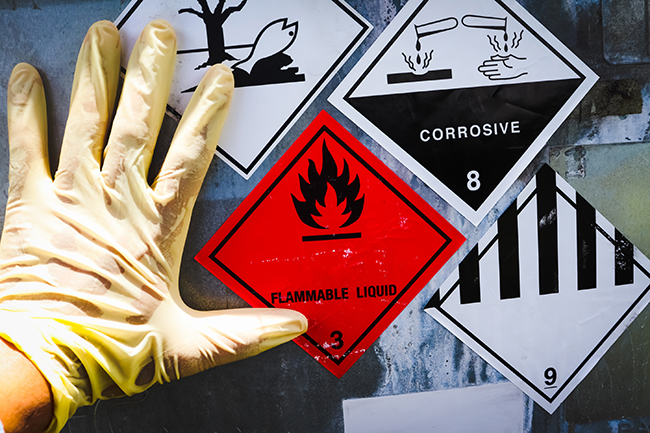
How disciplined planning helps shippers protect people, freight, facilities, and customer commitments
Hazardous materials freight requires more than locating available equipment and confirming a pickup time. Every shipment must be supported by accurate classification, proper documentation, suitable packaging, clear facility procedures, qualified transportation resources, and communication that keeps the right people informed.
When one detail is missing or incorrect, the consequences can extend far beyond a late delivery. A hazmat shipment may be delayed at pickup, rejected by a carrier, held for correction, refused at delivery, or exposed to unnecessary safety and compliance risk. Those disruptions can affect production schedules, customer commitments, inventory availability, and the shipper's reputation.
That is why hazmat freight shipping should be built around compliance and control. Compliance establishes the rules that must be followed. Control creates a repeatable process for gathering information, selecting appropriate resources, monitoring execution, and responding when conditions change.
Buchanan Logistics helps customers coordinate hazmat freight through a nationwide network of carefully qualified carrier partners. The process begins with understanding the material, shipment requirements, equipment needs, origin and destination procedures, and the business impact of delay. The objective is not simply to move regulated freight. It is to help the customer approach each shipment with greater preparation, visibility, and confidence.
Hazmat transportation begins before a truck is requested
Many transportation problems begin because the shipping process starts too late. A load is presented as ready to move, but essential information is still being gathered. The material classification may be uncertain. The shipping papers may be incomplete. Packaging details may not match what is physically on the dock. Facility teams may not know whether the driver needs special access or instructions.
For standard freight, missing information can create inconvenience. For hazardous materials, it can prevent the shipment from moving.
Effective planning starts before a rate request is submitted. The shipper should identify who is responsible for classifying the material, preparing documentation, confirming packaging, communicating emergency response information, and releasing the freight. Transportation personnel should receive accurate details early enough to evaluate carrier and equipment options.
This early preparation gives the logistics provider time to identify potential issues before the driver arrives. It also reduces the likelihood that urgent corrections will be made under pressure.
Why compliance cannot be separated from operations
Hazmat compliance is sometimes treated as a paperwork responsibility handled by one department. In practice, it touches purchasing, manufacturing, warehousing, safety, customer service, and transportation.
The material must be identified correctly. Packaging must be appropriate for the commodity and shipment. Markings, labels, placards, and shipping papers must align. Employees performing regulated functions must understand their responsibilities. The selected carrier and driver must meet the requirements that apply to the load.
If these activities are handled in isolation, gaps can develop. A warehouse team may prepare freight differently from what appears on the shipping papers. A transportation coordinator may request the wrong trailer because the commodity details are unclear. A receiving facility may not be prepared for the delivery.
A stronger process connects compliance requirements to everyday shipping operations. It gives each participant clear responsibilities and provides a consistent method for verifying shipment readiness.

The business cost of a hazmat shipping error
The cost of a hazmat error is not limited to a delayed truck. Depending on the situation, the business may experience:
- Missed pickup or delivery appointments
- Production interruptions
- Customer service failures
- Rework of packaging or documentation
- Driver detention
- Additional storage or handling
- Emergency transportation expenses
- Rejected or returned freight
- Internal investigation and corrective action
- Damage to customer or carrier relationships
Accurate material classification drives the entire shipment
Hazardous materials transportation depends on correct classification. The material description affects documentation, packaging, markings, labels, placards, segregation, handling, and carrier acceptance.
The shipper is responsible for providing accurate information about the material. A logistics provider can coordinate transportation based on that information, but it should not guess at a classification or replace the shipper's qualified safety and compliance personnel.
Before requesting transportation, the shipper should be prepared to provide applicable details such as:
- Proper shipping name
- Hazard class or division
- Identification number
- Packing group, when applicable
- Quantity and package type
- Emergency response information
- Temperature control or handling requirements
- Any additional regulatory or facility requirements
Uncertainty should be resolved before the load is tendered. A rushed classification decision can affect every step that follows.
Documentation must match the physical shipment
Accurate paperwork is essential, but it is only useful when it matches the freight being loaded. The commodity, package count, quantities, markings, and labels should align with the shipping documents.
Problems may occur when documentation is prepared from an outdated template, order details change after paperwork is created, or multiple departments maintain different information. Even a small discrepancy can create questions at pickup or during transit.
A practical verification process should confirm:
- The shipping description is complete and accurate
- The number and type of packages match the load
- Weights and quantities are correct
- Emergency contact information is current
- Required certifications are completed
- Special permits or supporting documents are available when needed
- The driver will receive the necessary papers before departure
Documentation review should happen before the scheduled pickup time. Waiting until the driver is at the dock creates pressure and increases the chance of delay.

Packaging is part of the transportation plan
Hazmat packaging is not simply a warehouse decision. It affects loading, securement, equipment selection, handling, and carrier acceptance.
The shipper should confirm that the packaging is authorized and suitable for the material, quantity, and mode of transportation. Packages should be closed, marked, labeled, and prepared according to applicable requirements. Damaged, leaking, or questionable packages should not be offered for transportation.
Transportation planners also need to understand how the freight will be presented. Drums, totes, cylinders, pallets, bulk containers, and other package types may create different equipment and securement considerations.
Facility readiness protects the pickup
A qualified carrier cannot correct every issue at the shipping dock. The facility must be prepared to load the freight safely and efficiently.
Before pickup, confirm:
- The freight is packaged and ready
- Shipping papers are complete
- Required labels and markings are in place
- Loading personnel understand the shipment requirements
- The correct dock, entrance, or staging area is identified
- Site safety procedures have been communicated
- Necessary loading equipment is available
- The driver contact and appointment information are current
Facilities with security gates, restricted access, personal protective equipment requirements, or special check-in procedures should communicate those expectations before arrival.
Choosing the right equipment for hazmat freight
Hazmat freight can move in many types of equipment. The correct choice depends on the material, packaging, dimensions, weight, loading method, route, and delivery requirements.
Dry van transportation
Dry vans may be appropriate for properly packaged palletized materials that require enclosed transportation. The shipper should provide accurate loading and securement information, along with any segregation or handling requirements.
Flatbed transportation
Flatbed equipment may be used for certain packaged materials, machinery, tanks, or industrial freight when the load is suitable for open-deck transportation. Securement, weather protection, dimensions, and handling procedures must be addressed.
Specialized equipment
Oversized, heavy, or unusually configured hazmat freight may require step deck, removable gooseneck, or other specialized trailers. Route planning, permits, escorts, and securement may add complexity.
Temperature-sensitive transportation
Some materials require temperature control or protection from extreme conditions. The shipper should clearly identify the required range, monitoring expectations, and response procedures.
Bulk transportation
Bulk hazmat transportation has specialized equipment and operating requirements. Detailed commodity, quantity, loading, unloading, and facility information is essential before transportation options are evaluated.
Carrier qualification is more than general availability
A carrier that handles standard truckload freight may not be qualified or willing to transport a particular hazardous material. Carrier selection should consider the load's classification, equipment, route, insurance, authority, driver qualifications, and operating experience.
The carrier should receive enough information to evaluate the shipment accurately. Withholding details to obtain faster acceptance can lead to rejection, delay, or serious risk later.
A disciplined carrier coordination process should verify that the provider understands:
- The hazardous material being transported
- The required equipment
- Pickup and delivery procedures
- Documentation expectations
- Placarding requirements
- Route or facility restrictions
- Special handling needs
- Communication expectations
Route and schedule planning require realistic expectations
Hazmat shipments may face route restrictions, facility limitations, weather concerns, appointment requirements, or other conditions that affect transit planning. A schedule that appears reasonable for standard freight may not be realistic for a regulated load.
Shippers should communicate the true delivery requirement rather than requesting the earliest possible arrival without considering receiving conditions. The delivery facility must be open, prepared, and authorized to accept the freight.
Route and schedule planning may also need to consider:
- Restricted roads or tunnels
- Urban delivery limitations
- Weather-sensitive routes
- Required permits
- Driver hours and rest requirements
- Secure parking availability
- After-hours receiving procedures
Communication creates control during transit
Hazmat freight benefits from clear communication at each major shipment milestone. Shippers need to know whether the carrier is confirmed, the driver has arrived, the freight has been loaded, and the delivery remains on schedule.
Useful updates may include:
- Carrier and equipment confirmation
- Driver dispatch
- Arrival at pickup
- Successful loading and document receipt
- Departure from origin
- Transit status
- Weather or route concerns
- Arrival at delivery
- Delivery completion
Communication should also identify who needs to be contacted if a question or exception occurs. The shipper, consignee, carrier, and logistics provider should not be searching for the correct decision maker during a time-sensitive situation.
Common mistakes that delay hazmat shipments
Many hazmat delays are preventable. Common problems include:
- Requesting transportation before classification is confirmed
- Providing incomplete commodity descriptions
- Using outdated shipping documents
- Failing to disclose package type or quantity
- Submitting incorrect dimensions or weight
- Waiting until pickup to discuss placards
- Not confirming delivery acceptance
- Changing the shipment after carrier confirmation
- Assuming a previous carrier will accept the load again
- Allowing urgency to override verification
The best defense is a standardized pre-shipment review. A repeatable checklist can reduce uncertainty and help teams identify missing information before the load reaches the transportation stage.
When hazmat freight becomes urgent
Hazardous materials shipments can become time critical because of production needs, inventory shortages, customer deadlines, project schedules, or missed standard transportation. Urgency does not remove compliance requirements.
In fact, urgent loads require greater discipline because teams are working under pressure. The shipper should resist the temptation to skip documentation checks, estimate shipment details, or accept equipment that is not suitable.
When requesting urgent hazmat transportation, provide complete information immediately:
- Exact origin and destination
- Pickup readiness time
- Required delivery time
- Full material description
- Hazard class and identification number
- Package count, type, dimensions, and weight
- Equipment requirements
- Facility hours and contacts
- Any permit, route, or handling considerations
This information helps the logistics provider determine whether a practical solution is available and whether the requested schedule can be supported.
Questions to ask a hazmat logistics provider
Shippers should evaluate more than price when choosing a provider for regulated freight. Useful questions include:
- What shipment information do you require before sourcing capacity?
- How do you qualify carrier partners for hazmat freight?
- Can you coordinate dry van, flatbed, or specialized equipment?
- How will pickup and delivery requirements be communicated?
- Who will manage shipment updates?
- How are exceptions handled?
- What happens if the original carrier becomes unavailable?
- Can you support recurring hazmat lanes?
- Can you help review recurring transportation problems?
The provider's answers should demonstrate a structured process. Hazmat transportation should not depend on assumptions or informal communication.
How Buchanan Logistics approaches hazmat freight coordination
Buchanan Logistics begins by gathering the shipment information needed to evaluate transportation options. That includes the material description, classification details, package type, dimensions, weight, equipment requirements, origin and destination procedures, timing, and any specialized handling considerations.
The customer remains responsible for correctly classifying, packaging, marking, labeling, and documenting the hazardous material. Buchanan Logistics uses the information supplied by the shipper to coordinate appropriate transportation resources through a nationwide network of carefully qualified carrier partners.
The team focuses on practical planning, carrier communication, and shipment visibility. Customers work with logistics professionals who understand that regulated freight requires careful preparation and clear execution.
Buchanan Logistics can also support broader transportation needs, including truckload, flatbed, heavy haul, specialized, expedited, and managed transportation. This allows customers to coordinate hazmat freight as part of a larger shipping strategy rather than treating every load as an isolated event.
Learn more through these Buchanan Logistics resources:
Build a repeatable hazmat shipping process
Hazmat transportation becomes easier to manage when the business uses a consistent process instead of rebuilding the shipment plan each time.
A practical process should include:
- Clear responsibility for classification and documentation
- Standard shipment information requirements
- Packaging and readiness verification
- Facility instructions
- Transportation approval procedures
- Carrier and equipment review
- Shipment milestone communication
- Post-delivery performance review
Recurring hazmat lanes should be reviewed regularly. Changes in volume, packaging, facilities, products, regulations, or customer requirements may affect the transportation plan.
A standardized process also makes it easier to train employees and identify where corrective action is needed.
A practical hazmat freight readiness checklist
Before requesting transportation, confirm the following:
- The material has been correctly classified
- The proper shipping description is available
- Packaging is appropriate and undamaged
- Markings and labels are complete
- Shipping papers are accurate
- Emergency response information is current
- Package count, dimensions, and weight are verified
- The correct equipment has been identified
- Pickup and delivery facilities are prepared
- Contacts and appointment requirements are confirmed
- Special route, permit, or handling needs are disclosed
- Internal approval has been obtained
Protect the shipment with preparation, compliance, and control
Hazmat freight shipping is most successful when every participant understands the shipment and their responsibility within the process. Accurate classification supports correct documentation. Proper packaging supports safe handling. Suitable equipment and qualified transportation resources support execution. Clear communication gives the customer greater control from pickup through delivery.
Urgency, recurring volume, or familiar freight should never replace disciplined preparation. The strongest hazmat transportation programs use repeatable procedures, verify current shipment details, and address potential problems before the driver arrives.
Buchanan Logistics helps customers coordinate regulated freight based on the shipment's actual requirements. To begin evaluating a hazmat load, provide the origin, destination, material description, classification information, package details, dimensions, weight, equipment needs, facility requirements, and requested schedule.
To discuss hazmat freight transportation or request support for an upcoming shipment, visit the Buchanan Logistics Rate Reques page.
Contact us now to get more information
or to get a rate quote for your next project.
Top Related Articles Articles
Retail freight strategies that protect OTIF performance | Cross-border freight shipping without costly delays | Expedited freight solutions when every minute matters | Dedicated Midwest freight capacity that protects service