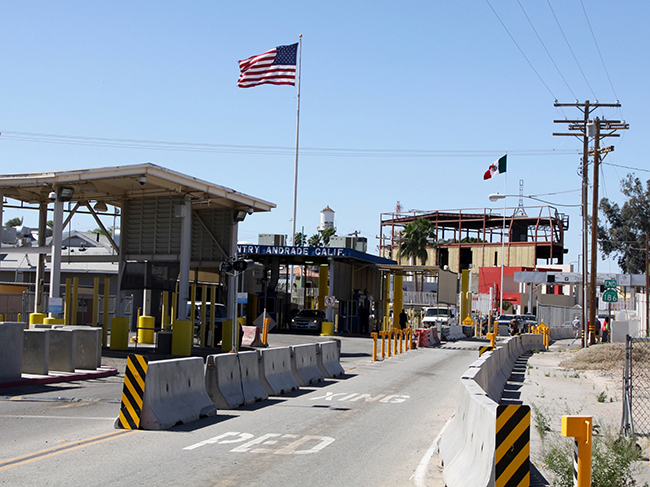
How disciplined planning helps shippers protect customs clearance, delivery schedules, and customer commitments
Cross-border freight shipping involves more than moving a truck from one country to another. A successful shipment depends on accurate commercial information, complete customs documentation, qualified transportation resources, clear responsibility at each handoff, and communication that continues from pickup through final delivery.
When those elements are not aligned, freight may arrive at the border before the shipment is ready to cross. Documentation errors, missing broker information, inconsistent product descriptions, incorrect values, appointment problems, and poor coordination can create delays that affect production, inventory, project schedules, and customer relationships.
Cross-border transportation should therefore be planned as one connected process. The shipper, consignee, customs broker, carrier, and logistics provider need consistent information and a shared understanding of the shipment. Each party performs a different role, but a failure at one stage can stop the entire move.
Buchanan Logistics helps manufacturers, distributors, industrial companies, and other shippers coordinate cross-border freight through a nationwide network of carefully qualified carrier partners. The process begins by understanding the commodity, route, equipment, customs responsibilities, facility requirements, and delivery expectations before the truck is dispatched.
The border is not where cross-border planning begins
Many costly delays are created long before the driver reaches a port of entry. A shipment may be scheduled before the customs broker receives the documents. Product descriptions may not match across the commercial invoice, packing list, and transportation paperwork. The consignee may not be prepared to act as importer of record. The carrier may not have the information needed to submit required data.
These problems are difficult to solve once the truck is already in transit. The driver may be forced to wait, the load may need to be redirected, or the crossing may be postponed until corrections are completed.
A stronger cross-border process begins when the order is created. Commercial, compliance, warehouse, customer service, and transportation teams should know what information is required, who is responsible for providing it, and when it must be available.
Cross-border freight is a chain of responsibilities
International truckload transportation involves several parties whose responsibilities must be clearly defined.
The shipper
The shipper prepares the freight and provides accurate commodity, quantity, value, origin, packaging, and transaction information. It must also ensure the load is ready and the documentation reflects the physical shipment.
The consignee or importer
The receiving party may be responsible for import requirements, duties, taxes, permits, broker authorization, and final delivery arrangements. Those responsibilities should be confirmed before pickup.
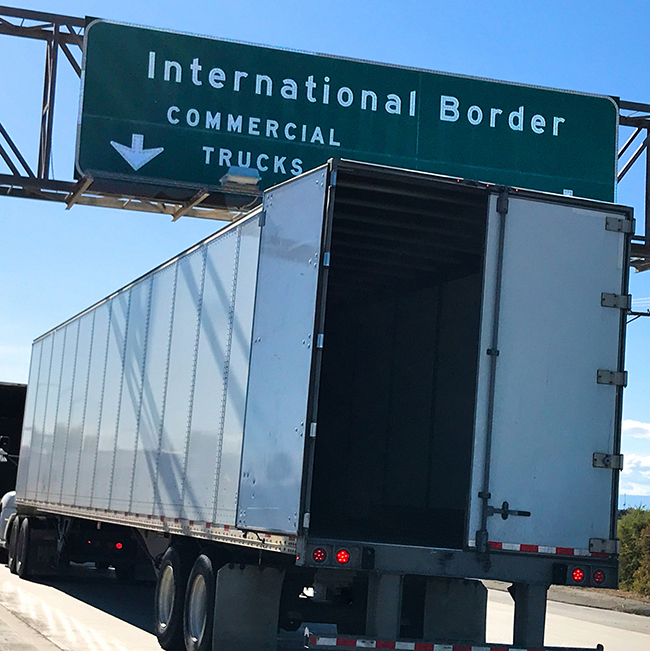
The customs broker
The customs broker uses the information supplied by the parties to prepare and submit the entry or release documents required by the destination country. The broker should receive the documents early enough to review them before arrival.
The carrier
The motor carrier transports the freight and may be responsible for submitting cargo, conveyance, driver, and shipment data through applicable border systems. The carrier needs accurate information and clear crossing instructions.
The logistics provider
The logistics provider coordinates transportation, communicates shipment requirements, monitors progress, and helps connect the parties when questions or exceptions arise.
These roles should not be assumed. A written process or shipment checklist can prevent confusion over who is completing each task.
The business cost of a border delay
A delayed cross-border shipment can create expenses far beyond driver waiting time. Depending on the freight and customer requirements, the business may face:
- Production downtime
- Missed customer appointments
- Additional storage or handling
- Driver detention
- Customs examination costs
- Broker correction fees
- Redelivery expenses
- Expedited replacement freight
- Inventory shortages
- Project delays
- Customer penalties or deductions
- Lost confidence in the supplier
The lowest transportation rate may not create the lowest total cost if the shipment is poorly planned. Reliable cross-border execution depends on preparation, communication, and realistic scheduling as much as the linehaul price.
Accurate commodity descriptions reduce customs risk
Vague commodity descriptions are a common source of questions and delay. Descriptions such as “parts,” “equipment,” “materials,” or “samples” may not provide enough information for customs processing.
The commercial description should clearly identify what the product is, what it is made from, and how it is used when those details are relevant. The description should remain consistent across the commercial invoice, packing list, bill of lading, purchase order, and broker instructions.
Before tendering the shipment, confirm:
- Product name and commercial description
- Quantity and unit of measure
- Country of origin
- Declared value and currency
- Weight and package count
- Harmonized tariff classification, when applicable
- Related permits, certifications, or agency requirements
The shipper and importer should work with qualified customs professionals to determine classification and import requirements. A logistics provider can coordinate transportation based on the information supplied, but it should not guess at tariff classifications or legal responsibilities.
Documents must match the physical freight
Cross-border documentation should describe the shipment that is actually loaded. Problems occur when an order changes after documents are created, package counts are estimated, or warehouse personnel load different products than the commercial team expected.
A pre-shipment review should compare:
- The commercial invoice
- The packing list
- The bill of lading
- The purchase order
- Package labels and markings
- Actual pallet, carton, or piece counts
- Actual weight and dimensions
If quantities, values, products, or packaging change, the documents should be corrected before the truck departs. Asking the driver to wait while paperwork is rebuilt can consume transit time and threaten the planned crossing.
The customs broker should receive documents early
Sending documents after the truck is already moving increases risk. The customs broker needs time to review the shipment, identify missing information, submit required data, and communicate questions to the importer or shipper.
For routine freight, companies should establish a standard document deadline before pickup. More complex commodities, new suppliers, first-time importers, or regulated products may require additional review time.
The broker should receive applicable information such as:
- Commercial invoice
- Packing list
- Transportation details
- Importer and exporter information
- Country of origin
- Classification data
- Certificates or permits
- Purchase order or transaction references
The transportation team should also know when the broker has accepted the documents and whether the shipment is ready for presentation at the border.

Importer of record responsibilities must be clear
One of the most important cross-border decisions is determining who will serve as the importer of record. This party is responsible for meeting applicable import requirements and supporting the customs entry.
Uncertainty over the importer can stop a shipment. The receiving customer may expect the seller to handle importation, while the seller assumes the customer will manage it. The broker may not have authorization or account information for the responsible party.
Before pickup, confirm:
- The importer of record
- The customs broker
- Broker authorization status
- Responsibility for duties and taxes
- Required permits or registrations
- Who will respond to customs questions
Incoterms affect responsibilities, not every operational detail
International commercial terms help define certain cost, risk, and delivery responsibilities between buyer and seller. They do not replace detailed transportation instructions.
Even when the commercial term is known, the parties should still confirm:
- Who selects and pays the carrier
- Who selects and pays the customs broker
- Who acts as importer and exporter
- Who pays duties, taxes, and related fees
- Where risk transfers
- Who schedules pickup and delivery appointments
- Who provides required documents
Choosing the right cross-border equipment and service model
Cross-border freight may move through several operating models. The right choice depends on the commodity, volume, equipment, route, transit requirement, and availability of qualified capacity.
Direct through-trailer service
A trailer may cross the border and continue to the final destination, subject to the carrier's operating model and regulatory requirements. This can reduce handling and simplify cargo control.
Trailer interchange or relay
Some shipments use one carrier or driver on the origin side and another after crossing. Clear interchange procedures and communication are essential to prevent handoff delays.
Transloading
Freight may be transferred between trailers near the border. Transloading can create capacity flexibility, but it adds handling, facility coordination, and potential damage exposure.
Dry van and temperature-controlled service
Enclosed equipment is common for manufactured goods, consumer products, food, and other packaged freight. Temperature-sensitive products require documented set points and monitoring expectations.
Flatbed and specialized transportation
Machinery, steel, building materials, oversized cargo, and industrial equipment may require flatbed, step deck, removable gooseneck, permits, escorts, or route planning on both sides of the border.
Carrier qualification must address cross-border operations
A carrier that performs domestic transportation may not be prepared for international freight. Cross-border qualification should consider operating authority, insurance, driver eligibility, border systems, equipment, security programs, commodity experience, and geographic coverage.
The carrier should understand:
- The commodity and value
- The planned port of entry
- The customs broker information
- Document transmission procedures
- Pickup and delivery appointments
- Trailer interchange or transload requirements
- Seal and cargo security procedures
- Communication expectations
Border crossing selection affects service
The shortest route on a map may not be the best route for a cross-border shipment. Port operating hours, traffic, customs services, broker coverage, commodity restrictions, inspection availability, and final delivery location can affect the decision.
Crossing selection should consider:
- Origin and destination
- Carrier operating lanes
- Broker presence
- Port hours
- Appointment schedules
- Commodity-specific requirements
- Weather and seasonal congestion
- Availability of secure staging or parking
Realistic transit planning must include the border process
Domestic transit estimates cannot simply be extended across an international lane without accounting for customs and border activity.
A realistic schedule should include:
- Warehouse loading time
- Travel to the border
- Broker document review
- Required carrier submissions
- Border queue and crossing time
- Potential inspection
- Driver hours and rest requirements
- Travel from the border to destination
- Final delivery appointment
Shipment visibility must cover every handoff
Cross-border visibility should show more than the truck's geographic location. The most useful updates explain whether the shipment is progressing through the required operational stages.
Important milestones may include:
- Carrier confirmation
- Customs broker document receipt
- Shipment readiness confirmation
- Driver arrival at pickup
- Loaded departure
- Pre-arrival customs status
- Arrival near the port of entry
- Border release or crossing completion
- Post-border carrier handoff
- Arrival at final delivery
- Delivery confirmation
When a document, inspection, traffic, or appointment issue threatens the schedule, the customer should be informed promptly. Early notice creates time to communicate with the consignee, adjust receiving plans, or evaluate recovery options.
Common causes of cross-border freight delays
Many delays are connected to preventable process problems.
Incomplete commercial invoices
Missing values, unclear descriptions, incorrect currencies, or inconsistent parties can create broker questions.
Late document submission
The broker receives the paperwork too close to arrival and has insufficient time to resolve errors.
Incorrect package or weight data
The physical shipment does not match the documents provided to customs and the carrier.
Unclear importer responsibilities
The broker does not have authorization, account details, or confirmation of who will pay duties and taxes.
Carrier information gaps
The carrier lacks the broker details, crossing instructions, shipment references, or data required for border submission.
Unconfirmed delivery appointments
The freight clears the border but cannot be received at the destination.
Last-minute order changes
Products, quantities, values, or purchase orders are revised after customs documents are prepared.
Tracking the cause of each delay helps companies improve the process instead of accepting border problems as unavoidable.
Urgent cross-border freight still requires full preparation
Production shortages, customer emergencies, project delays, and inventory problems can create a need for expedited cross-border transportation. Urgency does not remove customs requirements.
Time-critical shipments require accurate information earlier because there is less room to correct mistakes. Before requesting urgent service, provide:
- Exact origin and destination
- Commodity description
- Value and country of origin
- Package count, dimensions, and weight
- Importer and customs broker details
- Pickup readiness time
- Required delivery time
- Equipment and handling requirements
- Preferred or required port of entry
- Facility contacts and appointment rules
Questions to ask a cross-border logistics provider
Shippers should evaluate whether a provider understands the operational details that protect international truckload service.
- What information do you require before sourcing capacity?
- How do you qualify cross-border carrier partners?
- Can you coordinate dry van, flatbed, refrigerated, or specialized freight?
- How do you communicate with the customs broker and carrier?
- Who monitors border status and shipment exceptions?
- How are carrier handoffs or transloads managed?
- What happens if the original carrier becomes unavailable?
- Can you support recurring international lanes?
- How will delivery confirmation be provided?
- Can you help review recurring causes of delay?
How Buchanan Logistics coordinates cross-border freight
Buchanan Logistics begins by gathering the transportation and shipment information needed to evaluate the load. This includes the origin, destination, commodity, equipment, dimensions, weight, customs broker, importer information, preferred crossing, facility requirements, and delivery schedule.
The shipper, importer, and their customs professionals remain responsible for providing accurate commercial information and meeting applicable import and export requirements. Buchanan Logistics uses the supplied information to coordinate transportation through a nationwide network of carefully qualified carrier partners.
Buchanan Logistics can also support truckload, flatbed, heavy haul, specialized, expedited, and managed transportation needs. This allows customers to coordinate cross-border freight as part of a broader transportation strategy.
Learn more through these Buchanan Logistics resources:
Build a repeatable cross-border shipping process
International freight becomes easier to manage when teams follow a consistent procedure.
A repeatable process should include:
- Defined importer and exporter responsibilities
- Current customs broker contacts and authorizations
- Standard document requirements
- Accurate commodity and origin information
- Shipment readiness verification
- Carrier and equipment review
- Crossing and schedule planning
- Milestone communication
- Exception escalation
- Post-delivery performance review
A practical cross-border freight readiness checklist
Before the truck is dispatched, confirm:
- The importer of record is identified
- The customs broker is authorized and informed
- The commodity description is specific and consistent
- Country of origin, value, quantity, and currency are correct
- Tariff classification has been addressed by qualified personnel
- Commercial invoice and packing list match the freight
- Package count, weight, and dimensions are verified
- The correct equipment and service model are selected
- The carrier has the crossing and broker instructions
- Pickup and delivery appointments are confirmed
- Required permits or certificates are available
- Shipment update and escalation contacts are defined
Protect international freight with preparation and control
Cross-border freight shipping is most reliable when every party receives accurate information before the shipment begins. Clear commercial responsibilities support customs preparation. Complete documents support release. Qualified carriers and suitable equipment support transportation. Useful visibility gives the customer greater control over each handoff.
Border delays should not be treated as an unavoidable cost of international business. Some inspections and external disruptions cannot be prevented, but many service failures begin with incomplete documentation, late communication, unrealistic schedules, or unclear responsibilities.
Buchanan Logistics helps manufacturers, distributors, and industrial shippers coordinate cross-border freight based on the shipment's actual requirements. To begin evaluating a load, provide the origin, destination, commodity, value, country of origin, package details, dimensions, weight, equipment needs, customs broker, importer information, preferred crossing, and requested schedule.
To discuss cross-border freight transportation or request support for an upcoming shipment, visit the Buchanan Logistics Rate Request page.
Top Related Articles Articles
Retail freight strategies that protect OTIF performance | Hazmat freight shipping built on compliance and control | Expedited freight solutions when every minute matters | Dedicated Midwest freight capacity that protects service