
How manufacturers, distributors, and industrial shippers can reduce capacity uncertainty without sacrificing flexibility
Reliable freight capacity is not only a transportation issue. It affects production schedules, inventory availability, customer commitments, warehouse efficiency, and the ability to grow without creating new operational risk. When recurring freight depends too heavily on last-minute truck searches, small disruptions can spread quickly across the business.
Dedicated freight capacity gives shippers a more structured way to protect important lanes, recurring volumes, and service expectations. It does not require every shipment to move on the same truck or under one rigid operating model. Instead, it creates a planned transportation strategy built around the freight that matters most to the business.
For Midwest manufacturers, distributors, construction suppliers, and industrial operations, that planning can be especially valuable. The region connects major production centers, supplier networks, distribution hubs, and customer markets. It also experiences seasonal demand shifts, weather disruptions, construction activity, and changing equipment availability. A dependable freight plan must account for all of those conditions while still supporting day-to-day execution.
Buchanan Logistics helps shippers coordinate recurring truckload freight through a nationwide network of carefully qualified carrier partners. The goal is not to force every customer into the same model. It is to understand where service risk exists, identify which lanes deserve greater structure, and build a transportation approach that supports the customer's actual operation.
Dedicated capacity should solve a business problem
A dedicated transportation strategy should never begin with equipment alone. It should begin with a business problem that needs to be solved.
Some shippers need better pickup consistency on recurring lanes. Others need capacity during peak production periods, stronger communication for customer-sensitive freight, or more flexibility at facilities with limited dock space. A company may also be preparing to open a new location, enter a new market, or support a customer program that requires tighter delivery performance.
The right question is not, “Do we need dedicated trucks?” The better question is, “Where is transportation uncertainty creating avoidable risk?”
That risk may appear in several forms:
- Recurring loads that require urgent coverage every week
- Freight rates that change significantly from shipment to shipment
- Production schedules that depend on uncertain inbound deliveries
- Customer appointments that leave little room for delay
- Warehouse teams that cannot plan labor because pickup times vary
- Seasonal surges that overwhelm normal transportation resources
- Too much internal time spent locating trucks and requesting updates
Once those pressure points are clear, a dedicated freight plan can be designed around the lanes, facilities, and service requirements that have the greatest impact on the business.

Dedicated freight capacity is not the same as using the same carrier
Many shippers already work with familiar carriers and assume that creates dedicated capacity. Familiarity can help, but it is not the same as a structured capacity plan.
A carrier may regularly handle a lane without formally reserving equipment or planning around future volume. That arrangement can work during balanced market conditions, but it may become less dependable when demand increases, weather affects a region, or more attractive freight becomes available elsewhere.
Dedicated freight capacity is broader. It can include recurring commitments, planned carrier assignments, backup coverage, drop trailer options, scheduled communication, and lane-level performance reviews. The plan may use one primary carrier, multiple qualified carriers, or a blended model based on the shipper's needs.
The value comes from creating repeatable execution rather than assuming past availability will continue.
When the spot market is useful and when it becomes a risk
The spot market is an important part of freight transportation. It provides flexibility for unexpected shipments, changing demand, new lanes, and irregular freight. It can also help shippers respond quickly when a planned option becomes unavailable.
The problem begins when recurring freight is managed as though every load is unexpected.
If the same origin, destination, equipment type, and schedule appear repeatedly, treating each shipment as a new transaction creates unnecessary work and exposes the shipper to avoidable market changes. Pricing may fluctuate, service providers may change frequently, and facility requirements may need to be explained again with every load.
A stronger strategy separates freight into practical categories:
- Core recurring freight: Lanes and volumes that justify planned capacity
- Variable recurring freight: Predictable lanes with changing weekly volume
- Project or seasonal freight: Time-limited demand that still benefits from advance planning
- True spot freight: Unplanned or irregular shipments that require flexible sourcing
This approach preserves the flexibility of the spot market while reducing dependence on it for freight that should be easier to manage.
How to tell whether your business is ready for dedicated capacity
Dedicated capacity is not limited to the largest shippers. A company does not need hundreds of weekly loads to benefit from a more structured freight plan. What matters is the operational importance and repeatability of the freight.
Your business may be ready for a dedicated capacity strategy if several of the following conditions apply:
- You move freight on the same lanes every week or every month
- Missed pickups can delay production or customer orders
- Your team repeatedly contacts multiple providers for the same freight
- Facility requirements make driver familiarity valuable
- Your customers enforce strict appointment expectations
- You expect volume growth within the next six to twelve months
- Your busy season is predictable, but transportation planning begins too late
- You need more consistent shipment communication
A freight plan does not have to cover the entire transportation network at once. Many companies begin with a small number of high-impact lanes, evaluate the results, and expand the program as business needs change.
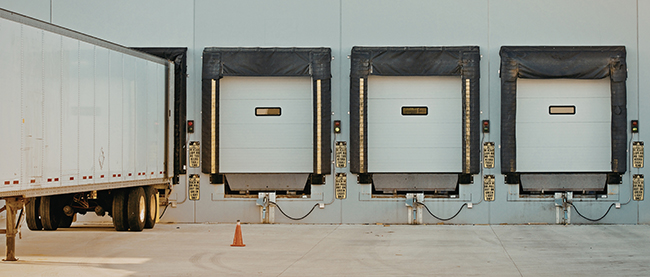
The cost of unreliable capacity extends beyond the freight rate
Transportation decisions are often compared by price per load, but the lowest rate does not always produce the lowest total cost.
When capacity is unreliable, the business may absorb expenses that never appear on the freight invoice. These may include production downtime, overtime labor, customer penalties, warehouse congestion, missed delivery windows, rescheduled crews, storage costs, and administrative hours spent recovering delayed shipments.
There is also a service cost. A customer may forgive one late delivery caused by unusual circumstances. Repeated uncertainty can damage confidence, especially when the shipper cannot provide clear updates.
Dedicated capacity should be evaluated based on the value of consistency. That includes:
- Fewer urgent truck searches
- More predictable pickup planning
- Better alignment between warehouse labor and transportation schedules
- Improved communication with customers and receiving facilities
- Reduced exposure to market spikes on recurring freight
- More time for transportation teams to focus on planning and improvement
The goal is not to pay more for the appearance of stability. The goal is to create measurable operational value through better execution.
Why dedicated capacity programs fail
Dedicated freight programs can underperform when expectations are unclear or when the plan is built around assumptions instead of actual shipping data.
Volume estimates are not realistic
A shipper may commit to a level of freight that does not materialize, or may underestimate the demand placed on the program. Both situations create problems. Accurate lane history and honest volume projections help logistics providers build a plan that can be supported.
Facility conditions are ignored
Long loading times, limited appointment availability, inconsistent paperwork, and unclear check-in procedures can reduce carrier interest even on attractive lanes. Dedicated capacity works best when transportation planning includes dock operations.
Only the primary plan is discussed
Equipment issues, weather, driver availability, and sudden volume changes can still occur. A program without backup options is not a complete capacity strategy.
Performance is never reviewed
Recurring freight should become easier to manage over time. If the same problems continue without review, the program is not improving. Regular communication helps identify changes in volume, service, facility conditions, and customer requirements.
The shipper expects dedicated service without sharing information
Transportation providers cannot plan effectively around incomplete forecasts, late shipment details, or frequent scheduling changes. Strong capacity programs depend on useful information moving in both directions.
Drop trailer programs can improve more than loading flexibility
For facilities with steady truckload volume, a drop trailer program may support both capacity and warehouse efficiency. Instead of requiring every driver to wait while freight is loaded, trailers can be positioned at the facility and prepared according to the shipper's schedule.
This model can help operations teams stage freight, reduce dock congestion, and avoid unnecessary detention. It may also provide flexibility when production completion times vary throughout the day.
A drop trailer program is not automatically the right solution for every location. It requires adequate space, clear trailer control, predictable volume, and coordination between the facility and transportation provider. When those conditions exist, it can help create a smoother handoff between warehouse operations and linehaul transportation.
Potential benefits include:
- More flexible loading schedules
- Reduced driver waiting time
- Improved dock utilization
- Better preparation for recurring outbound volume
- Greater continuity during shift changes or production delays
Midwest freight planning requires regional awareness
The Midwest is central to North American manufacturing, agriculture, construction, retail distribution, and industrial supply chains. That concentration creates opportunity, but it also means capacity can tighten quickly when several industries increase demand at the same time.
Weather is another important factor. Snow, ice, severe storms, flooding, and extreme temperatures can affect pickup timing, transit conditions, and facility operations. Construction seasons and agricultural cycles can also influence truck availability across specific markets.
A strong Midwest freight capacity strategy accounts for these regional conditions before they affect service. That may involve reviewing seasonal history, identifying alternate pickup schedules, expanding lead time during known pressure periods, or securing backup coverage on customer-sensitive lanes.
The objective is not to predict every disruption. It is to avoid being surprised by conditions that occur regularly.
Dedicated capacity should support growth, not restrict it
Some shippers avoid dedicated strategies because they fear losing flexibility. A rigid transportation model can create problems, especially for businesses with changing demand. The better approach is to build structure around stable freight while preserving options for growth and variability.
For example, a manufacturer may establish planned capacity for its highest-volume customer lanes while continuing to use flexible brokerage support for new destinations and irregular orders. A distributor may reserve trailer capacity during peak season without maintaining the same level throughout the year.
The plan should match the business. As volume changes, the transportation strategy should be reviewed and adjusted.
This is especially important when companies:
- Open new facilities
- Launch new products
- Add major customers
- Expand into new geographic markets
- Change production schedules
- Consolidate suppliers or distribution locations
Transportation planning should be part of the growth discussion before new freight begins moving, not after service problems appear.
What shippers should expect from a dedicated logistics partner
A logistics provider should do more than confirm that a truck has been booked. For recurring freight, the provider should understand why the lane matters, how the facility operates, and what service expectations must be protected.
Before selecting a partner, shippers should ask:
- How will recurring lanes be evaluated?
- How are carrier partners qualified?
- What happens when the primary option is unavailable?
- How will shipment updates be communicated?
- Who will manage day-to-day coordination?
- How often will performance and volume be reviewed?
- Can the plan adjust as our business changes?
- What information do you need from our team to improve execution?
The answers should be practical and specific. Dedicated capacity is a working transportation process, not a label attached to a sales proposal.
How Buchanan Logistics approaches recurring freight
Buchanan Logistics begins by learning how the customer's operation works. That includes shipment frequency, lane history, equipment needs, pickup procedures, delivery requirements, seasonal changes, and communication expectations.
From there, the team can help identify which freight may benefit from greater structure and which shipments should remain flexible. This allows the transportation plan to support the customer's priorities without adding unnecessary complexity.
Buchanan Logistics coordinates freight through a nationwide network of carefully qualified carrier partners and supports truckload, flatbed, heavy haul, specialized, expedited, and managed transportation needs. Customers also have a consistent logistics contact focused on communication and shipment execution.
More information is available through the following Buchanan Logistics resources:
A practical starting point for capacity planning
Shippers do not need a finished transportation design before speaking with a logistics provider. A useful first conversation can begin with a small amount of operational information.
Prepare the following:
- Recent lane history
- Typical weekly or monthly volume
- Equipment requirements
- Pickup and delivery schedules
- Seasonal changes
- Facility constraints
- Customer appointment requirements
- Current service concerns
This information helps identify where a dedicated freight strategy may create the most value. It also prevents the discussion from becoming a generic rate exercise disconnected from the business problem.
Protect service before capacity becomes urgent
The best time to plan recurring freight is before service begins to fail. Once a critical lane is uncovered, a production schedule is threatened, or a customer delivery is already late, the available options become narrower and more expensive.
Dedicated Midwest freight capacity gives shippers a way to replace repeated urgency with a more deliberate process. It can improve lane consistency, support warehouse planning, strengthen communication, and reduce reliance on last-minute transportation decisions.
The right strategy will not look identical for every company. Some businesses need recurring truckload coverage. Others may benefit from seasonal commitments, drop trailer support, or a blended model that combines planned capacity with flexible brokerage resources.
Buchanan Logistics works with manufacturers, distributors, construction suppliers, and industrial shippers to develop transportation solutions based on actual freight requirements. If recurring lanes, seasonal demand, or service-sensitive freight are creating unnecessary risk, the next step is to review the operation and identify where greater structure may help.
To begin that conversation, visit the Buchanan Logistics Rate Request page and share information about your lanes, volumes, equipment needs, and service priorities.
Contact us now to get more information
or to get a rate quote for your next project.
Top Related Articles Articles
Retail freight strategies that protect OTIF performance | Cross-border freight shipping without costly delays | Hazmat freight shipping built on compliance and control | Expedited freight solutions when every minute matters