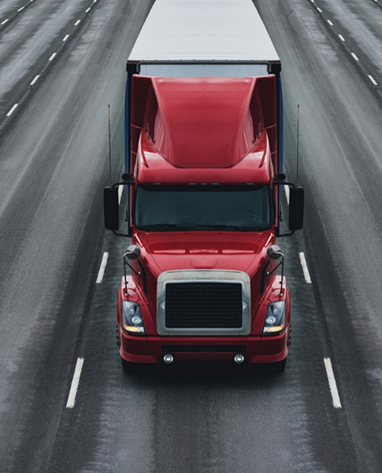
How businesses can evaluate dry van transportation based on freight protection, loading requirements, trailer fit, scheduling, and shipment needs.
Dry van freight shipping is used for commercial freight that can move in an enclosed trailer without temperature control. Equipment selection should account for dimensions, weight, loading method, protection, and delivery conditions.
Buchanan Logistics, Inc. helps businesses evaluate those details and coordinate freight transportation services based on the actual shipment requirements.
What Makes Freight a Good Dry Van Fit?
A standard dry van works well with many dock operations and packaged, palletized, boxed, or crated commercial freight that fits inside the trailer and does not require temperature control.
Before selecting dry van freight services, shippers should confirm:
- The freight fits within the trailer's dimensional and weight limits.
- The shipment can be loaded and unloaded through the trailer doors.
- No temperature control is required.
- The freight does not require an open deck loading method.
- Pickup and delivery facilities can accommodate the equipment.
Loading Method Can Determine the Equipment
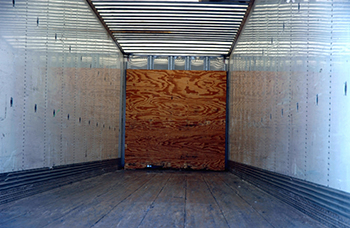
How freight enters and leaves the trailer matters. Dry vans are well suited for many dock, forklift, and palletized loading situations, but some freight requires access from the side or above. Large machinery, construction materials, and unusually shaped freight may call for flatbed or other specialized equipment instead.
Protection Is Part of the Decision
An enclosed trailer protects freight from direct weather exposure. That can make dry van transportation services practical for freight that needs to remain enclosed but does not require refrigeration.
Dry Van FTL or LTL?
Dry van describes the equipment, while FTL and LTL describe how trailer capacity is used. Dry van equipment may be used for full truckload or qualifying LTL freight.
If that choice is unclear, Buchanan's FTL vs. LTL Freight Shipping guide explains the mode selection factors.
Plan Around Pickup and Delivery
Good dry van freight transportation planning includes accurate dimensions, weight, pickup hours, delivery appointments, dock requirements, loading instructions, and special handling needs. These details give Buchanan Logistics better information when reviewing carrier and equipment options.
How Buchanan Logistics Supports Dry Van Freight
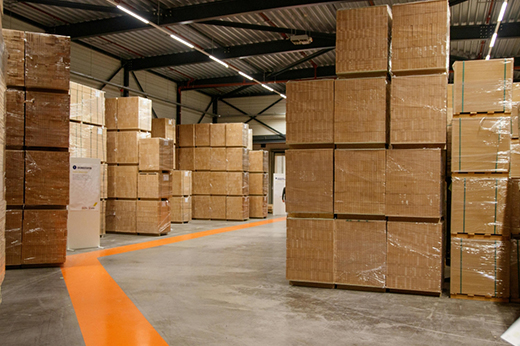
Buchanan Logistics coordinates dry van, full truckload, LTL, flatbed, expedited, specialized, heavy haul, cross border, and managed transportation. Its logistics professionals review freight details, timing, and equipment requirements.
Businesses can learn more about what to expect when working with Buchanan Logistics.
Match the Trailer to the Freight
The equipment decision starts with accurate information about the commodity, dimensions, weight, packaging, loading method, facilities, and schedule.
If your business needs dry van trucking services, request a freight rate from Buchanan Logistics. The team can review the shipment requirements and coordinate transportation that fits the load.
Resources
- Discover what sets us apart at The Buchanan Advantage.
- Explore our capabilities at Freight Capabilities.
- Check out our Buchanan Logistics Digital Brochure
Contact us now to get more information
or to get a rate quote for your next project.
Additional Freight Transports by Buchanan Logistics, Inc.
FTL vs. LTL Freight Shipping | Understanding LTL Freight Costs | Flatbed Freight Planning | Preparing Oversized Freight | Spot Freight vs. Dedicated Capacity | Inbound Freight Management | Freight Exception Management | Manufacturing Freight Logistics