How to Select the Right Freight and Logistics Partner for Retail
Retail companies evaluating a U.S. logistics brokerage need a transportation partner that understands inventory schedules, distribution networks, delivery requirements, and changing freight demand. From routine replenishment to expedited dry van freight, the right provider should be able to coordinate transportation around the needs of the retailer rather than forcing every shipment into the same process.
Retail freight can include packaged goods, building products, store fixtures, seasonal merchandise, machinery, raw materials, and other products moving between suppliers, warehouses, distribution centers, stores, and customers. Choosing the right logistics partner can help a business maintain freight capacity, respond to changing demand, improve shipment visibility, and meet important delivery commitments.
Buchanan Logistics supports retailers with freight brokerage, truckload, LTL, dry van, flatbed, expedited, specialized, and managed logistics solutions throughout the United States, Canada, and Mexico.
Retail Freight Services Should Match the Supply Chain
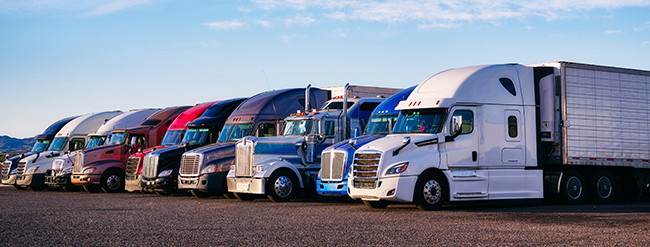
Retail transportation is rarely limited to one type of freight or one shipping lane. A business may have recurring full truckload shipments moving into distribution centers while also managing seasonal freight, store replenishment, urgent orders, project cargo, or shipments requiring different trailer equipment.
A logistics provider should first understand how the retailer's supply chain operates. Shipment frequency, freight volume, origin and destination points, equipment requirements, delivery windows, seasonal demand, and customer expectations all influence the transportation plan.
Dry Van Freight Services for Retail Shipments
Dry van transportation is commonly used for retail goods that benefit from an enclosed trailer. Packaged products, palletized merchandise, building supplies, manufactured components, store materials, and other protected cargo can often move using dry van trailers.
A dry van shipment may move as part of a recurring transportation program or as a single load. Retailers with regular van shipments should evaluate whether a logistics provider can support changing dry van capacity across the lanes and markets important to their business.
Effective van freight services also depend on accurate shipment details. Weight, dimensions, pallet count, pickup requirements, delivery appointments, loading procedures, and the available cargo area can all affect trailer and carrier selection.

Full Truckload and FTL Shipping for Volume Shippers
Full truckload transportation can be a practical option when a retailer has enough goods to use most or all of a trailer, needs dedicated equipment, or wants to reduce handling between pickup and final delivery.
FTL shipping can support volume shippers moving inventory between suppliers, warehouses, distribution centers, and retail locations. Dedicated truckload transportation may also give the shipper greater control over appointment scheduling and transportation planning when freight needs to remain on the same trailer.
Retail companies with recurring freight should consider whether a provider has access to truckload capacity across the lanes they use most often. A larger carrier network can provide more options when freight volume increases or regular transportation providers are unavailable.
Flatbed Freight for Retail and Building Products
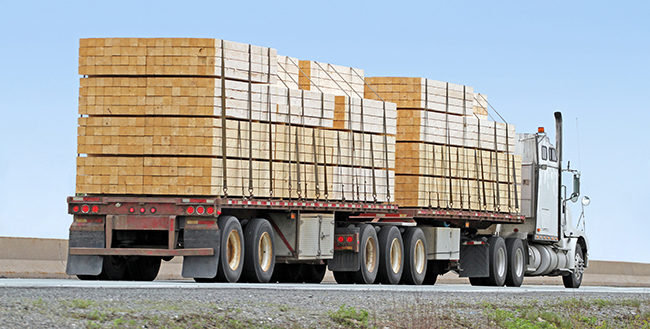
Not every retail shipment belongs inside a dry van. Lumber, roofing materials, construction products, machinery, equipment, fabricated products, and other cargo may require flatbed or open deck transportation because of their size, shape, or loading requirements.
Flatbed transportation can provide side and top loading access when forklifts, cranes, or other equipment are needed. Depending on the freight, a step deck, Conestoga, removable gooseneck, or another trailer configuration may be more appropriate.
A logistics provider should review the freight dimensions, weight, securement needs, loading method, delivery location, and other requirements before identifying the appropriate carrier and equipment.

Expedited Freight for an Urgent Shipment
Retail demand does not always follow the original transportation plan. A product shortage, delayed supplier shipment, seasonal surge, customer commitment, or unexpected inventory need can create an urgent shipment that requires a faster transportation response.
Buchanan Logistics can coordinate expedited transportation for critical freight and other time sensitive shipping requirements. Depending on the shipment, that may involve dedicated dry van capacity, flatbed transportation, team service, or another trucking option built around the required schedule.
Fast delivery depends on more than putting freight on the first available truck. The carrier, equipment, route, pickup schedule, transit requirements, and delivery window must all support the requested timeline. For urgent freight, clear communication becomes especially important because even a small change can affect the final delivery.
Carrier Capacity Matters in Retail Logistics
One of the most important questions to ask a logistics provider is how it sources carrier capacity. Retailers may have established freight patterns for much of the year, but promotional activity, seasonal demand, product launches, weather, or changing customer demand can quickly affect available transportation.
Buchanan Logistics maintains relationships with more than 15,000 truckload and LTL carrier partners across the United States, Canada, and Mexico. This carrier network gives shippers access to multiple freight lanes, equipment types, and transportation options when their requirements change.
Carrier selection should also consider operating authority, insurance, equipment, geographic coverage, service history, shipment requirements, and availability. Access to many carriers is useful only when the available transportation provider is suited to the load.
Delivery Windows, Warehouses and Distribution Centers
Retail freight often moves through facilities with specific operating procedures. Warehouses and distribution centers may require appointments, defined receiving hours, check in procedures, unloading instructions, or other requirements that affect transportation scheduling.
A logistics provider should collect these details before the shipment moves and communicate them clearly to the carrier. Missing appointment information or incorrect facility instructions can create avoidable delays even when the truck arrives in the correct market on time.
Transportation planning should consider the entire shipment, from pickup through final delivery. That includes facility hours, loading time, transit expectations, receiving availability, and any restrictions that could affect the carrier or trailer.
Drop Trailers and Recurring Retail Freight
Some retail operations benefit from transportation programs that provide more flexibility at the shipping or receiving facility. Drop trailers can allow a trailer to remain at an approved customer location for loading or unloading rather than requiring every shipment to be completed while the driver waits.
This type of program can be useful for suitable recurring freight operations, but it requires planning around trailer availability, freight volume, facility space, loading schedules, and carrier capacity.
Freight Visibility Helps Retailers Plan
Shipment visibility matters because transportation affects more than the freight itself. A delayed load can influence inventory levels, staffing, receiving schedules, store replenishment, customer orders, and other parts of the retail supply chain.
Retailers should look for a logistics provider that combines transportation technology with active communication. Shipment tracking, status updates, pickup confirmation, estimated arrival information, and notification of exceptions help internal teams make decisions while the freight is moving.
Technology alone is not enough. When shipment conditions change, customers need a logistics professional who understands the load and can communicate what happened, what it means for the schedule, and what transportation options may be available.
Look for Experience With Different Types of Freight
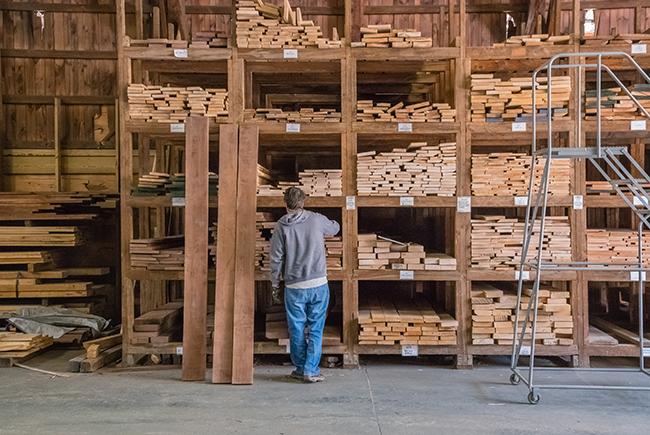
Retail supply chains can involve many types of freight. A logistics provider that understands dry van transportation, flatbed freight, full truckload, LTL, specialized transportation, expedited freight, and project shipments can give a retailer more options as shipping requirements change.
Experience is particularly important when a shipment involves sensitive freight, unusual dimensions, specialized equipment, strict appointments, or customer specific handling requirements. The transportation plan should reflect the actual needs of the cargo rather than relying solely on the lowest available rate.
Compare Service, Capacity and Freight Rates Together
Competitive rates matter, but price should not be evaluated by itself. Retailers should also consider carrier capacity, communication, freight visibility, equipment access, transportation experience, and the provider's ability to respond when a shipment does not go according to plan.
A low rate provides little value if the transportation option cannot meet the required pickup or delivery schedule. When requesting a freight quote, provide accurate shipment details so the logistics provider can evaluate both pricing and service requirements.
Choose a Logistics Partner That Can Adapt With Your Business
Retail transportation needs change over time. A company may open new locations, work with new suppliers, enter new markets, increase shipment volume, change distribution strategies, or introduce products that require different equipment.
A strong logistics partner should be able to support those changes without requiring the retailer to rebuild its transportation network each time. Freight brokerage and managed logistics services can provide access to carrier relationships, transportation planning, shipment coordination, visibility, and additional capacity as the business grows.
Buchanan Logistics supports retail freight programs ranging from individual shipments to recurring transportation needs. Our team works with customers to understand their lanes, freight, facilities, delivery expectations, and operational priorities before coordinating transportation.
Why Retailers Work With Buchanan Logistics
Retail companies need transportation partners that understand the connection between freight, inventory, customer demand, and time. Buchanan Logistics combines freight brokerage experience, a broad carrier network, multiple equipment options, shipment visibility, and responsive customer service to support those requirements.
Our retail freight capabilities include full truckload, LTL, dry van, flatbed, drop trailer, expedited, specialized, and managed transportation solutions. Customers can review additional options on our Freight Capabilities page and learn more about the customer experience through What to Expect.
Request a Retail Freight Quote
If your business is reviewing transportation options for retail products, recurring freight, urgent replenishment, or a new shipping lane, provide Buchanan Logistics with your origin, destination, commodity, weight, dimensions, equipment requirements, requested dates, and other important shipment details.
Our logistics professionals can review the transportation requirements and discuss available options for your freight.
Retail Freight and Logistics Resources
Retail Freight Strategies That Protect OTIF Performance | Truckload Freight Services | Dry Van Freight Shipping | Freight Capabilities | What to Expect | What Does a Freight Brokerage Do? | Preventing Costly Shipping Delays | Freight Broker vs. Carrier | How to Choose the Right Freight Broker | Why Communication Matters in Freight