Freight brokerage for construction materials, roofing products, structural freight, and other building products moving by commercial truckload.
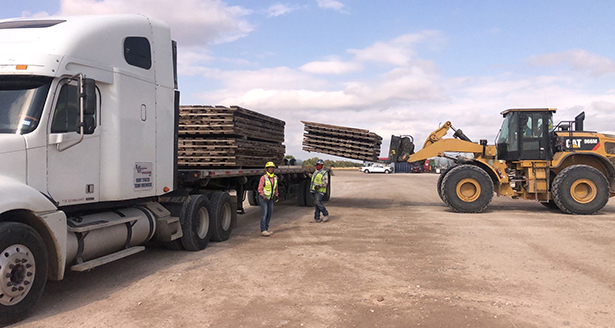
Building materials freight can involve different trailer types, loading methods, delivery locations, and scheduling requirements. A shipment of palletized products moving between warehouses may have very different needs from structural beams or roofing materials moving to a jobsite. Buchanan Logistics, Inc. helps businesses coordinate building materials freight across the United States, Canada, and Mexico through qualified carrier partners and commercial transportation equipment.
Good planning starts with the product itself. Dimensions, weight, packaging, loading method, site access, and delivery timing all affect the transportation plan.
Plan Around the Material and Load
Before carrier capacity is sourced, shippers should provide:
- Commodity and packaging type
- Total shipment weight
- Length, width, and height of larger pieces
- Pallet, bundle, crate, or piece count
- Loading and unloading method
- Pickup and delivery hours
- Appointment or jobsite requirements
- Weather protection or handling needs
Complete information helps a building materials freight broker evaluate equipment fit before the load is booked.
Match the Trailer to the Building Product
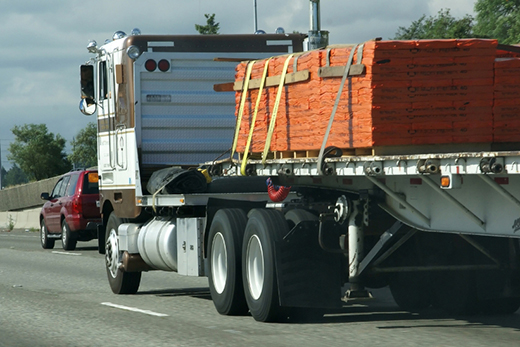
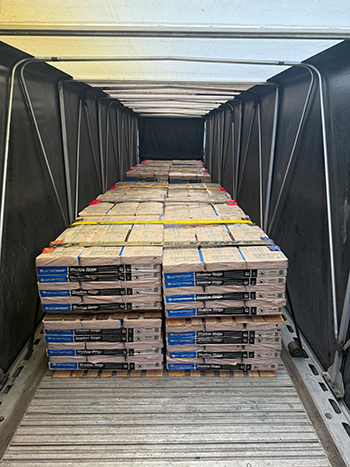
Some packaged building products can move in an enclosed dry van. Structural beams, girders, long materials, roofing products, and other freight that needs side or overhead loading may require flatbed or other open deck equipment.
Trailer selection depends on the actual freight. A standard flatbed, step deck, Conestoga, removable gooseneck, or another trailer type may be appropriate depending on dimensions, loading access, protection requirements, and weight. Shippers planning open deck freight can review Buchanan Logistics' Flatbed Freight Planning guide for more detail.
Account for Jobsite Delivery Conditions
Jobsite freight delivery requires more than an address. Construction locations may have limited access, restricted delivery hours, or specific unloading equipment. Confirm that the destination can receive the trailer and unload the freight as planned.
Useful delivery information includes the site contact, delivery window, entrance instructions, available space, unloading method, and whether a crane, forklift, or other equipment will be ready. Clear information helps the carrier and receiver prepare for delivery.
Build Capacity for Recurring Material Freight
Manufacturers, distributors, and suppliers may move building products across recurring lanes throughout the year. Project schedules and customer orders can also change freight volume quickly.
Buchanan Logistics maintains relationships with more than 15,000 trusted truckload and LTL carrier partners across the United States, Canada, and Mexico. That network supports dry van, flatbed, specialized, expedited, and other freight requirements based on the load.
Use Freight Brokerage to Keep Shipments Organized
A building materials freight broker can help coordinate carrier sourcing, equipment requirements, pickup and delivery schedules, and shipment communication across multiple suppliers, jobsites, or recurring freight lanes.
Buchanan Logistics works with construction, manufacturing, retail, infrastructure, and industrial businesses that need freight transportation built around the commodity, equipment, site, timing, and service requirements.
Discuss Your Building Materials Freight
If your business needs transportation for roofing products, structural materials, palletized building products, concrete-related freight, or other qualifying construction materials, Buchanan Logistics can review the shipment details and discuss available transportation options.
Visit the Rate Request page to share your freight details, or review What to Expect for more information about working with Buchanan Logistics.