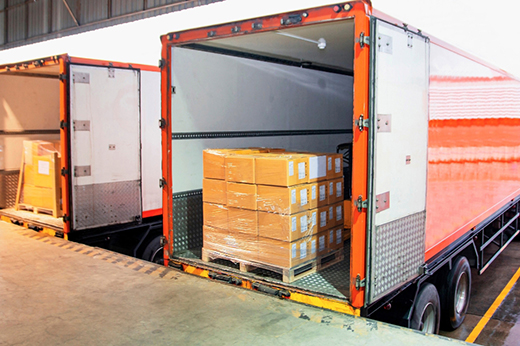
Full truckload shipping, commonly called FTL shipping, is used when one shipper needs most or all of a trailer for a single load. Because the trailer is dedicated to one shipment, freight generally moves directly from pickup to delivery without the additional terminal transfers associated with shared trailer transportation.
Successful FTL shipping depends on more than finding an available truck. Shippers need to consider freight dimensions, weight, equipment requirements, pickup and delivery schedules, lane conditions, carrier capacity, facility restrictions, and any special handling needs before transportation begins.
This guide explains how full truckload transportation works, when businesses commonly use it, how to select the appropriate equipment, how capacity and shipping lanes affect planning, and what information shippers should prepare before requesting transportation.
Businesses that are specifically looking for Buchanan Logistics' truckload transportation capabilities can visit our Truckload Freight Services page.
What Is Full Truckload Shipping?
Full truckload shipping is a freight transportation method in which one customer's shipment uses an entire trailer. The freight may physically fill the trailer, or the shipper may choose dedicated truckload transportation because of the shipment's size, weight, handling requirements, equipment needs, value, or delivery schedule.
Since the trailer is assigned to a single shipment, the freight typically remains on the same equipment from the pickup location to the delivery destination. This reduces transfers and gives shippers greater control over scheduling and transportation planning.
FTL shipping is often appropriate when:
- The freight fills most or all of a trailer
- The shipment requires dedicated equipment
- Reduced freight handling is important
- Pickup or delivery timing is closely tied to production or project schedules
- The freight requires a specific trailer type
- The shipment is heavy even though it does not fill the entire trailer
- The shipper wants direct transportation between locations
Full Truckload Shipping vs. Shared Trailer Transportation
One of the primary differences between full truckload and less than truckload transportation is how trailer space is used. An FTL shipment reserves the trailer for one customer, while less than truckload shipping combines smaller shipments from multiple customers on the same trailer.
Shared trailer transportation can be practical for smaller freight quantities, but shipments may move through terminals and experience additional transfers before reaching their destination. Full truckload shipping generally provides a more direct route because the freight remains with one load for most or all of its journey.
FTL may provide fewer freight transfers, reduced handling exposure, greater scheduling flexibility, and more direct transportation between pickup and delivery locations. The best option still depends on shipment size, weight, equipment requirements, timing, budget, and the characteristics of the freight.
Choosing the Right Equipment for a Full Truckload Shipment
Full truckload transportation is not limited to one trailer type. Equipment selection should be based on the physical characteristics of the freight, loading method, unloading requirements, protection needs, dimensions, weight, and destination conditions.
Common equipment options include:
- Dry van trailers for enclosed, palletized, packaged, or general commercial freight
- Flatbed trailers for freight requiring side, top, forklift, or crane loading
- Step deck trailers for taller freight that may not fit within standard flatbed height limitations
- Conestoga trailers for freight that benefits from flexible loading access combined with protection from weather
- Removable gooseneck trailers for machinery, heavy equipment, and freight that can be driven or rolled onto the trailer
- Specialized equipment for oversized, heavy, unusually shaped, or project related freight
Accurate freight dimensions and weight are important when selecting equipment. Using estimated measurements can result in the wrong trailer being dispatched, loading delays, additional costs, or transportation plans that must be changed at the last minute.
Planning for Truckload Capacity
Truckload capacity refers to the availability of qualified carriers and appropriate equipment in a particular market or shipping lane. Capacity can change throughout the year based on freight demand, seasonal activity, weather, fuel costs, regional market conditions, equipment availability, and other transportation factors.
Planning freight earlier can provide more time to evaluate carrier and equipment options. Shippers should provide accurate shipment information as soon as practical, especially when the load requires specialized equipment, strict appointment times, or transportation in a market where capacity may be limited.
Useful information for capacity planning includes the freight type, total weight, dimensions, origin, destination, requested dates, equipment requirements, loading method, unloading method, and any appointment restrictions.
For additional information about capacity planning, read Securing Trucking Capacity.

Planning Truckload Shipping Lanes
A freight lane is the transportation route between a shipment's origin and destination. Some businesses ship freight repeatedly between the same locations, while others manage changing lanes based on suppliers, customers, projects, seasonal activity, and production requirements.
Reviewing lane activity can help shippers prepare for recurring transportation needs. Important considerations include shipment frequency, typical freight volume, equipment requirements, pickup schedules, delivery schedules, seasonal demand, and carrier availability within the origin and destination markets.
Facilities should also communicate hours of operation, appointment procedures, loading requirements, unloading expectations, driver access instructions, and known restrictions. Small operational details can have a significant effect on whether a truckload shipment moves according to schedule.
Preparing a Full Truckload Shipment
Shipment preparation begins before a carrier is selected. Accurate information helps logistics professionals evaluate the load, identify appropriate equipment, review carrier options, and recognize potential transportation issues before the truck arrives.
Shippers should prepare the following information:
- Complete pickup address
- Complete delivery address
- Requested pickup date and time
- Requested delivery date and time
- Commodity description
- Total shipment weight
- Freight dimensions
- Number of pieces, pallets, units, or items
- Required trailer or equipment type
- Loading method
- Unloading method
- Appointment requirements
- Facility access restrictions
- Special handling instructions
Shippers should also identify whether the freight requires tarping, additional securement, permits, escorts, temperature control, protective covering, or other transportation arrangements.
Providing this information before transportation is scheduled helps reduce the risk of equipment conflicts, missed appointments, loading problems, and unexpected changes.
Pickup and Delivery Planning
Pickup and delivery requirements can affect both carrier selection and transportation scheduling. A shipper should confirm facility hours, appointment requirements, loading time, unloading time, access restrictions, and the type of equipment available at each location.
Some facilities require scheduled appointments, while others operate on broader receiving windows. Construction sites, manufacturing plants, distribution centers, warehouses, and project locations may each have different procedures.
When appointment times are especially important, those requirements should be communicated before a carrier accepts the shipment. This gives the logistics provider and carrier an opportunity to determine whether the requested schedule is realistic based on distance, transit time, loading conditions, driver hours, and other transportation factors.
Improving Full Truckload Shipping Efficiency
Efficient truckload shipping often begins with accurate planning. Freight dimensions, shipment weight, equipment selection, facility requirements, and scheduling information should be reviewed before transportation begins.
Shippers can help improve FTL transportation efficiency by providing complete shipment information, scheduling freight early when possible, communicating appointment requirements clearly, confirming loading and unloading procedures, and sharing changes promptly when shipment details are updated.
Consistent shipping patterns can also make transportation planning easier. Businesses with recurring lanes may benefit from reviewing shipment frequency, freight volume, typical equipment requirements, and seasonal changes so transportation resources can be planned more effectively.
Shipment Visibility and Communication
Communication remains important after the shipment leaves the pickup location. Businesses often need freight status information so internal teams can prepare receiving personnel, coordinate inventory, update customers, or adjust production schedules.
Useful truckload shipment updates may include pickup confirmation, shipment status, estimated arrival information, notifications of transportation delays, and delivery confirmation.
Visibility does not prevent every transportation issue, but timely information gives shippers an opportunity to respond when schedules change.
Planning Time Sensitive Truckload Freight
Full truckload transportation can be useful when freight is connected to a firm production schedule, installation date, customer commitment, or project deadline. Direct transportation reduces the number of planned freight transfers between the origin and destination, but careful scheduling is still required.
Time sensitive loads should be planned around confirmed pickup and delivery appointments, expected transit time, facility operating hours, carrier availability, equipment requirements, and potential transportation disruptions.
Shippers should communicate critical deadlines before transportation is booked so available options can be evaluated against the requested schedule.
Dry Van Full Truckload Shipping
Dry van transportation is one of the most common forms of FTL shipping. Enclosed trailers provide protection from weather and road conditions and are commonly used for palletized freight, packaged products, manufactured components, retail inventory, building supplies, and other commercial goods.
Dry van shipping is generally appropriate when freight can fit within standard enclosed trailer dimensions, can be loaded through the rear of the trailer, and does not require temperature controlled transportation.
Flatbed and Open Deck Truckload Shipping
Freight that cannot easily be loaded into an enclosed trailer may require flatbed or other open deck equipment. These trailers provide greater flexibility for loading from the side, top, or rear using cranes, forklifts, and other equipment.
Flatbed and open deck transportation is commonly used for machinery, steel products, construction materials, industrial components, fabricated products, and other freight with dimensions or loading requirements that make enclosed trailers impractical.
These shipments may require additional planning for securement, protective covering, dimensions, permits, route conditions, or delivery site access.
Specialized and Heavy Truckload Freight
Heavy, oversized, or specialized freight requires additional planning because standard equipment and routing may not be appropriate. Exact dimensions and weight should be confirmed before transportation options are evaluated.
Planning may include reviewing trailer requirements, weight distribution, loading and unloading procedures, permits, escorts, route conditions, height restrictions, facility access, and delivery site conditions.
Businesses can review Buchanan Logistics' broader transportation options on the Freight Capabilities page.
How Freight Brokers Support FTL Planning
Businesses do not always maintain direct relationships with enough carriers to support every lane, equipment requirement, or change in shipping volume. Freight brokers can help identify qualified carrier options and coordinate transportation based on the specific requirements of a shipment.
That coordination may include reviewing freight details, evaluating equipment requirements, confirming pickup and delivery expectations, communicating shipment information, monitoring transportation progress, and helping address changes during transit.
For businesses comparing transportation providers or looking specifically for Buchanan Logistics' commercial truckload capabilities, visit Truckload Freight Services.
Full Truckload Shipping FAQs
What does FTL mean in freight shipping?
FTL stands for full truckload. It describes a shipment in which one customer's freight uses a dedicated trailer rather than sharing trailer space with freight from multiple shippers.
Does freight have to completely fill the trailer to use FTL shipping?
No. A shipper may use full truckload transportation even when the freight does not physically fill the trailer. Dedicated equipment may be selected because of shipment weight, dimensions, handling requirements, delivery timing, value, or other transportation needs.
What information is needed to request an FTL rate?
Shippers should provide the pickup and delivery locations, requested dates, commodity, dimensions, weight, equipment requirements, loading and unloading methods, appointment requirements, and any special handling instructions.
What equipment can be used for a full truckload shipment?
Equipment may include dry vans, flatbeds, step decks, Conestoga trailers, removable gooseneck trailers, and other specialized equipment. The appropriate trailer depends on the freight and transportation requirements.
How far in advance should a truckload shipment be planned?
Lead time depends on the lane, equipment, market conditions, shipment schedule, and complexity of the freight. Providing complete shipment information early generally gives logistics professionals more time to evaluate available carrier and equipment options.
What can cause truckload capacity to become limited?
Capacity can be affected by freight demand, seasonal shipping activity, regional market conditions, weather, equipment availability, lane imbalances, and other transportation conditions.
Additional Full Truckload Shipping Resources
Shippers looking for additional information about truckload planning and transportation may find these resources helpful:
- Truckload Freight Services
- Securing Trucking Capacity
- Nationwide Carrier Networks
- Solving Trucking Capacity Shortages
- Carrier Relationships in Logistics
Planning Your Next Full Truckload Shipment
Good FTL planning starts with accurate freight information, appropriate equipment, realistic scheduling, and enough lead time to evaluate available transportation options. Reviewing these details before a shipment is booked can help reduce preventable delays and make pickup and delivery coordination easier for everyone involved.
Buchanan Logistics works with businesses that need help coordinating full truckload, flatbed, specialized, and other freight transportation. Shippers can review available transportation options on the Freight Capabilities page.
If you have shipment details ready and would like to discuss transportation options, submit a Rate Request.