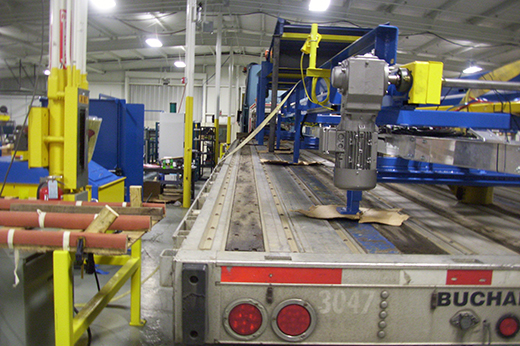
Freight brokerage and carrier sourcing for production machinery, generators, HVAC units, presses, industrial components, and other commercial equipment.
Industrial equipment freight often requires more planning than a routine truckload. Dimensions, weight, loading method, facility access, trailer requirements, and delivery timing can all affect how the shipment is coordinated. Buchanan Logistics, Inc. helps businesses source qualified carrier capacity for industrial equipment across the United States, Canada, and Mexico.
The goal is to match the freight with the right commercial transportation option while keeping pickup, delivery, and facility requirements clear from the start.
Start With Complete Equipment Details
An industrial equipment freight broker needs accurate load information before sourcing capacity. Shippers should provide:
- Equipment type and piece count
- Length, width, height, and total weight
- Origin and destination
- Loading and unloading methods
- Requested trailer type if known
- Pickup and delivery dates
- Facility access and appointment requirements
- Any special handling or protection needs
These details help determine whether the freight can move on standard equipment or needs an open deck or specialized trailer.
Match the Trailer to the Machinery
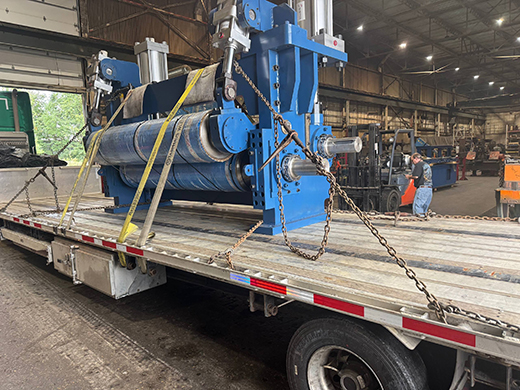
Some packaged industrial components may fit a dry van. Machinery that is tall, wide, heavy, or loaded from the side or top may require a flatbed, step deck, removable gooseneck, or other specialized equipment.
Buchanan Logistics reviews dimensions, weight, loading requirements, delivery conditions, and scheduling needs before matching industrial freight to carrier capacity and equipment. Loads that exceed standard dimensions or weight limits may also require oversized freight planning.
Plan for Facility Access and Installation Schedules
Industrial machinery often moves between fabricators, manufacturers, production plants, warehouses, and project sites. Delivery may need to align with cranes, rigging crews, maintenance windows, installation teams, or limited receiving hours.
Shippers should confirm dock conditions, ground-level access, trailer restrictions, onsite contacts, unloading equipment, and the time the facility can receive the load. Clear site information reduces avoidable changes after the carrier is dispatched.
Use Brokerage Capacity for Different Equipment Needs
Industrial freight programs can change from one shipment to the next. A manufacturer may need standard truckload capacity for components one week and open deck or specialized equipment for machinery the next.
Buchanan Logistics maintains relationships with more than 15,000 trusted truckload and LTL carrier partners across the United States, Canada, and Mexico. That network helps the brokerage team source equipment and capacity based on the requirements of each shipment.
Coordinate Project and Production Equipment Freight
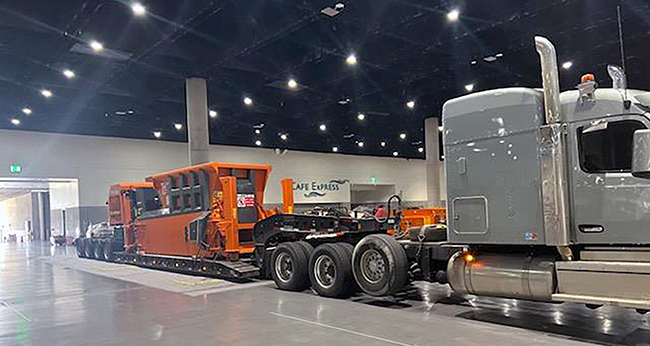
When several pieces of equipment are tied to a plant expansion, production change, or installation project, transportation planning should account for the order in which loads need to arrive. Buchanan Logistics can coordinate carrier sourcing, schedules, shipment communication, and multiple delivery requirements across the project.
Buchanan has also documented the coordination of a thermoformer and trim press from a fabrication site to a production facility, providing a real example of industrial machinery freight handled through its brokerage operation.
Discuss Your Industrial Equipment Freight
If your business needs transportation coordination for generators, HVAC units, production machinery, presses, manufacturing equipment, or other qualifying industrial freight, Buchanan Logistics can review the shipment details and discuss available carrier and equipment options.
Visit the Rate Request page to share your freight information, or review What to Expect for more information about working with Buchanan Logistics.